
Why Do Humans Love Spooky Stories—and How Do Different Places Keep Them Alive?
Some people hear “old cemetery, local legend and possible haunting” and immediately start checking flights.
Not because we’re all hoping to meet a ghost. Most of us would prefer the ghost respect normal social boundaries.
We go because a good spooky story changes the way a place feels. A castle stops being architecture. A dark lane becomes a question. A familiar tradition opens into centuries of belief, fear, grief and imagination.
Humans have always used unsettling stories to make the unknown feel a little more manageable. They let us test fear from a safe distance, give shape to things we can’t explain and turn danger into something we can pass around a table. They also tell us what a community remembers—and what it is trying very hard not to forget.
That is why spooky stories survive. They are rarely just about the monster.
They are about the people who keep telling the story.
Ireland: Where Halloween Learned to Wander
Halloween does not have one tidy origin story, but Ireland holds some of its deepest roots.
The Gaelic festival of Samhain marked the beginning of winter, with much of the celebrating taking place on the evening before. It was a threshold in the year: harvest ending, darkness arriving and the boundary between the ordinary world and the spirit world feeling a little less dependable.
Older Irish customs included feasting, games, disguises and protective rituals. The dead were expected to return to the family home. People told stories, avoided wandering alone and made masks that could frighten neighbours or confuse whatever else might be roaming.
Later, Samhain customs tangled with the Christian observance of All Hallows. Then Irish emigrants carried traditions abroad, where they mixed again and became part of the modern Halloween we know: costumes, lanterns, visiting houses and the annual belief that buying twelve tiny chocolate bars counts as planning ahead.
Ireland keeps the story alive through repetition. The customs change, but the feeling remains: this is a night when the dark deserves attention.
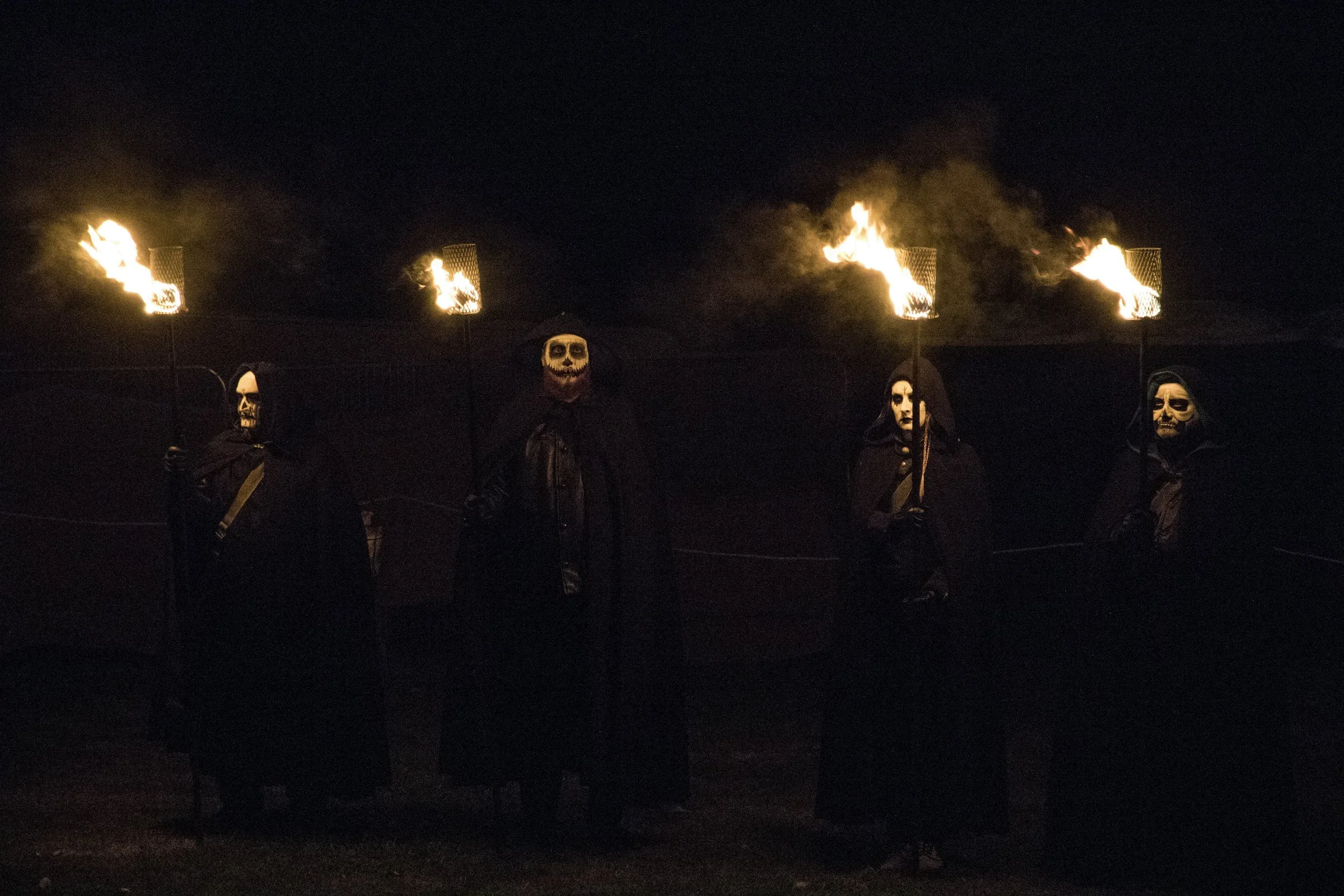
Traditionally, Samhain begins at sunset on October 31 and continues through
November 1st.
Mexico: Where the Dead Are Welcomed Home
Día de los Muertos is often folded into “spooky season” because of the calendar and the skeleton imagery. That comparison only works if we stop before calling it Mexican Halloween.
Day of the Dead is a living tradition of remembrance, shaped by Indigenous practices and Catholic observance. Families prepare altars with photographs, candles, food and marigolds. Favourite meals are made. Graves may be cleaned and decorated. Stories are told so the people who died remain present in family life.
The mood can be colourful, funny, tender and joyful. Death is not treated as a horror to be defeated. It is acknowledged as part of the family story.
Different communities mark the occasion differently, and not every celebration is public. That matters for travellers. The richest experience comes from listening, learning and following the lead of the people who are actually keeping the tradition—not treating somebody else’s remembrance as a very photogenic costume party.
Mexico keeps the story alive by saying names, preparing food and choosing memory over disappearance.
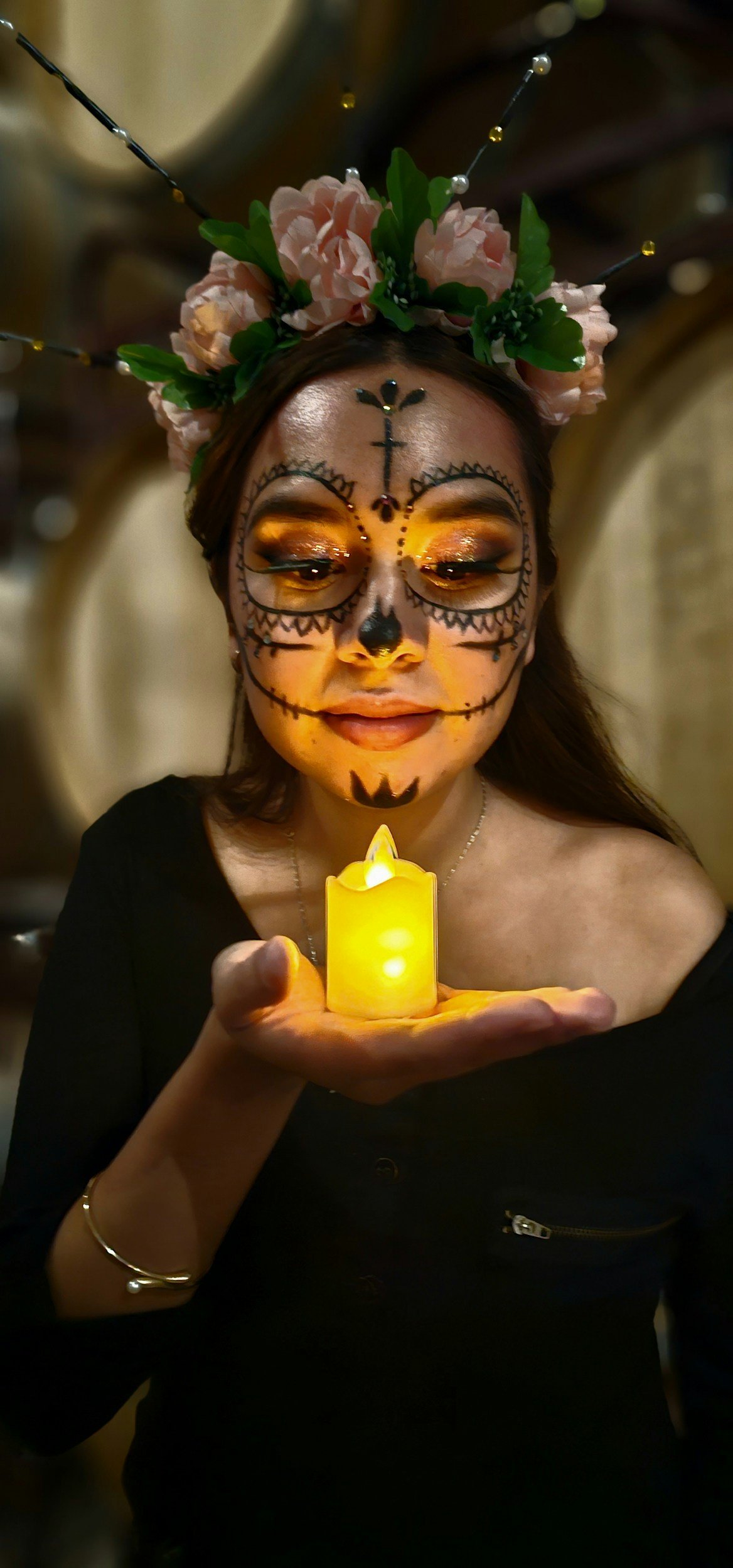
Día de los Muertos is mainly observed November 1–2.
November 1: Remembrance of children who have died—often called Día de los Angelitos
November 2: Remembrance of deceased adults
Salem: Where the Story Must Remain a Warning
Salem knows how to do October. The streets fill with costumes, ghost tours, witch-themed shops and enough black clothing to make the average traveller reconsider their packing strategy.
There is fun here. Plenty of it.
But beneath the modern Halloween spectacle is a story that was never folklore. During the colonial witch trials, fear, accusation and failed leadership led to imprisonment and the deaths of innocent people. No magic was proven. Panic simply became more powerful than evidence.
That history deserves more than a novelty broomstick photo.
A thoughtful visit makes room for both Salems: the playful city that embraces Halloween and the historic place carrying the consequences of what happened there. Take the ghost tour. Enjoy the costumes. Buy the ridiculous souvenir. Then make time for the memorials, museums and names of the people who were accused.
Salem keeps the story alive best when entertainment does not erase accountability.
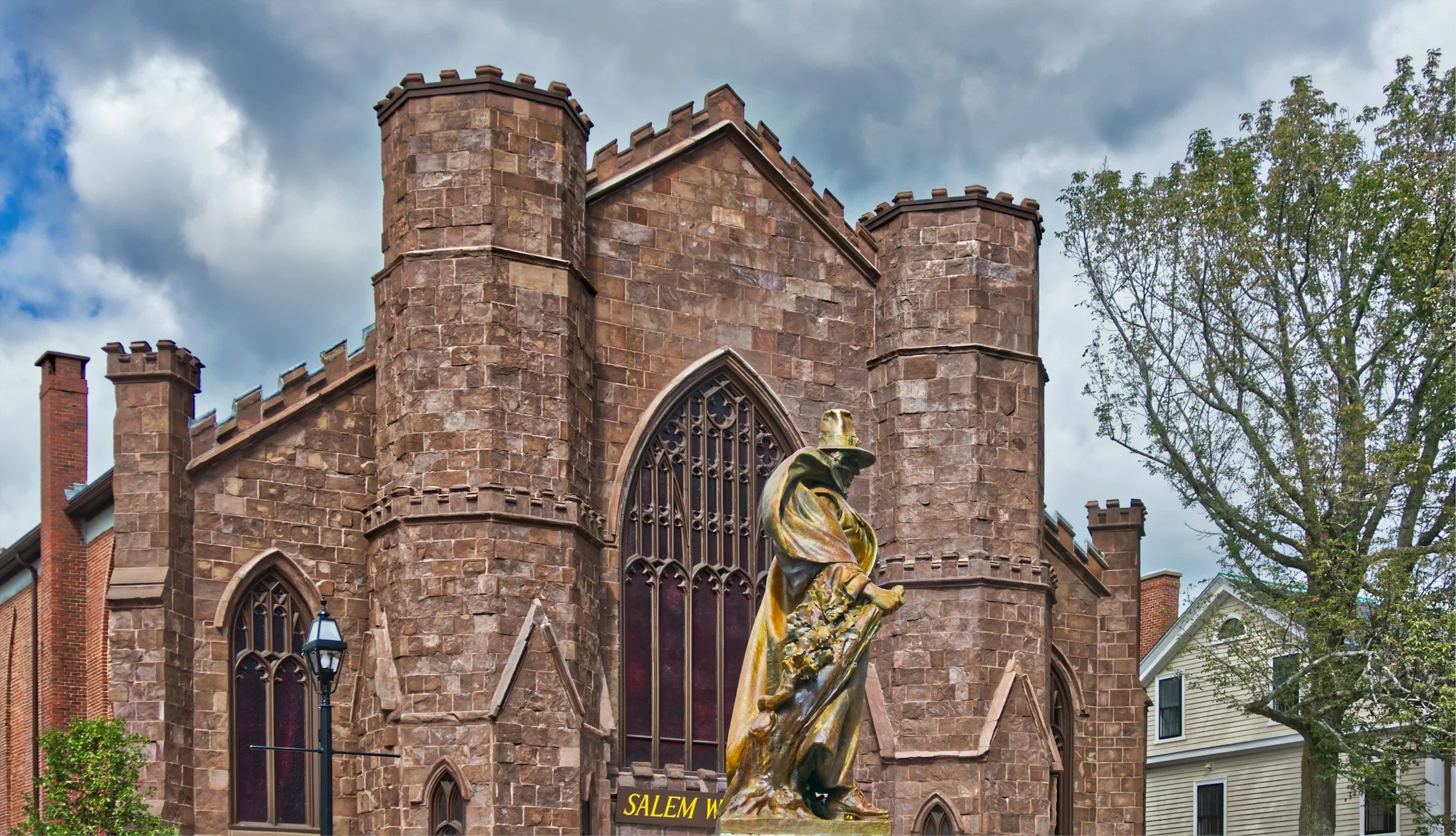
I’d favour October 18–25: fully spooky, plenty happening, slightly less feral than Halloween weekend. Use October 29–November 1 only if ultimate the chaos is the point.
Romania: Where Fiction Became Part of the Landscape
Transylvania has the opposite problem. Its most famous monster was fictional, but he became so powerful that he started reshaping how the world sees a real place.
Bram Stoker’s Count Dracula, the historical ruler Vlad Țepeș, local folklore, Bran Castle and more than a century of enthusiastic tourism marketing have become thoroughly tangled. The connection between Bran Castle and the Dracula story is far looser than the souvenir stalls suggest.
Honestly, that does not ruin it. It makes it more interesting.
The legend is the doorway. Beyond it are medieval towns, fortified churches, mountain roads, Saxon villages, dense forests and Romanian history that deserves to exist outside a vampire’s shadow.
This is exactly what makes Legends After Dark interesting. The point is not to fly across an ocean, photograph “Dracula’s castle” and leave. It is to follow the legend into the landscape—then notice all the better stories waiting there.
Romania keeps Dracula alive because the story attracts attention. The best travel uses that attention to reveal the place rather than flatten it into a theme park.
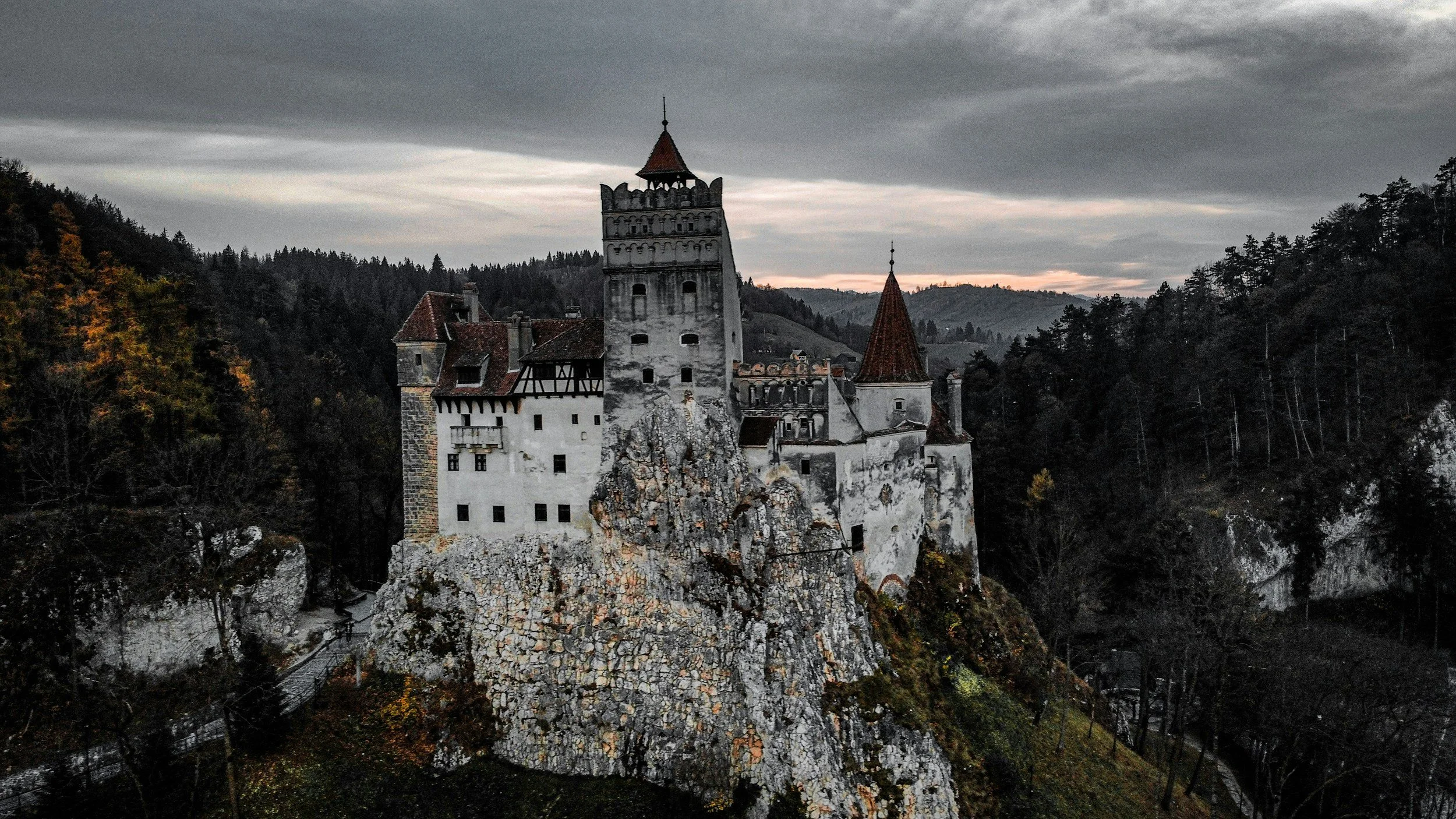
For Legends After Dark - 2026:
Depart Canada: October 27
Cluj-Napoca bookend: October 28–30
Intrepid tour: October 30–November 6
Bucharest bookend: November 6–8
Fly home: November 8, likely arriving November 9
The Stories Are Everywhere
Those four places are not the whole spooky map. They are examples of the different ways a story attaches itself to a place.
At the Winchester Mystery House in San Jose, the house itself is the unanswered question. Sarah Winchester turned a modest farmhouse into a sprawling, deeply peculiar mansion, but the reasons she kept building remain tangled in grief, wealth, rumour and decades of ghost-story embroidery. The uncertainty is the fuel. Every staircase, odd doorway and unexplained choice gives the next storyteller somewhere to begin.
New Orleans does not need one haunted landmark. Old hotels, theatres, courtyards, cemeteries and French Quarter buildings arrive with layers of history, disaster, folklore and people who know exactly when to pause before the good part. Sometimes the line between a history tour, a ghost tour and a late-night bar story is only separated by a cocktail.
And every “top haunted hotels” list is proof that we want the possibility to follow us upstairs. Give a grand old building a particular room, a resident ghost and a creaky hallway, and travellers immediately want to know whether they should avoid that room—or request it.
Some of these stories deserve a whole trip. Others are perfect detours: the odd mansion, walking tour or overnight stay that makes an otherwise normal itinerary feel a little stranger.
The Modern Campfire Has a Podcast Feed
Our appetite for dark stories did not disappear when the fire became a screen. It moved into novels, horror films, ghost tours, Reddit threads and true crime podcasts.
The fascination is not always noble. True crime can turn real harm into entertainment if the victim becomes scenery and the mystery becomes a game. But at its best, the genre draws people into questions about motive, evidence, justice, psychology and the lives behind the headlines.
Virgin Voyages’ True Crime Voyage is a very modern version of people gathering around the fire: live podcast recordings, behind-the-scenes sessions, meet-and-greets and crime-themed events—except the fire is now an adults-only ship in the Caribbean and someone is probably holding a martini.
It works for the same reason the old stories did. We do not only want to hear the story. We want to hear it together.

2nd Annual True Crime Voyage
March 20–25, 2027.
5 nights aboard Scarlet Lady
Miami → Grand Turk → Beach Club at Bimini → Miami
The Second Shift Rule
Follow the story. Stay curious about the truth underneath it.
A good spooky trip lets you enjoy the drama without flattening the people, traditions or history that made the place worth visiting. Ireland is more than Halloween shorthand. Día de los Muertos is not a costume theme. Salem is not proof that witches were real. Romania is not Dracula Land. True crime is not a puzzle without victims.
The best stories make a destination stranger, richer and more human. They give us a reason to look closer.
So: would you rather follow the mystery onto the sea with True Crime Voyage—or into the forests and old towns of Transylvania with Legends After Dark?
WANNA GO ON
AN ADVENTURE?
This form is simply a way to get in touch.
Submitting it doesn’t book anything, hold space, or lock you into a trip. It just lets me know you’re interested, so I can follow up and learn more about what you’re looking for.