
Rickshaws and
Ridiculous
Decisions
A wildly impractical way
to cross Sri Lanka.
The quick take
There are easier ways to see Sri Lanka.
Almost all of them, actually.
The Rickshaw Run puts a small crew into a tiny three-wheeled machine and sends them across roughly 750 kilometres of beaches, jungle, tea country, traffic, wrong turns, breakdown potential, and decisions that will be debated in the group chat for years.
There is no fixed route through the middle. No support van quietly fixing the story. No polished guide arriving with cold towels when the day goes sideways.
That is not a flaw. That is the trip.
Why we picked it
Some adventures are memorable because everything goes beautifully.
This one is memorable because you chose a vehicle with the horsepower of an enthusiastic lawn mower and attempted to cross a country in it with people you would still like to speak to afterward.
The rickshaw turns the people beside you into navigators, mechanics, snack officers, reluctant diplomats, and witnesses for the defence.
Second Shift does not make the middle efficient. We make the edges intelligent enough that the middle can stay gloriously inefficient.
The vibe
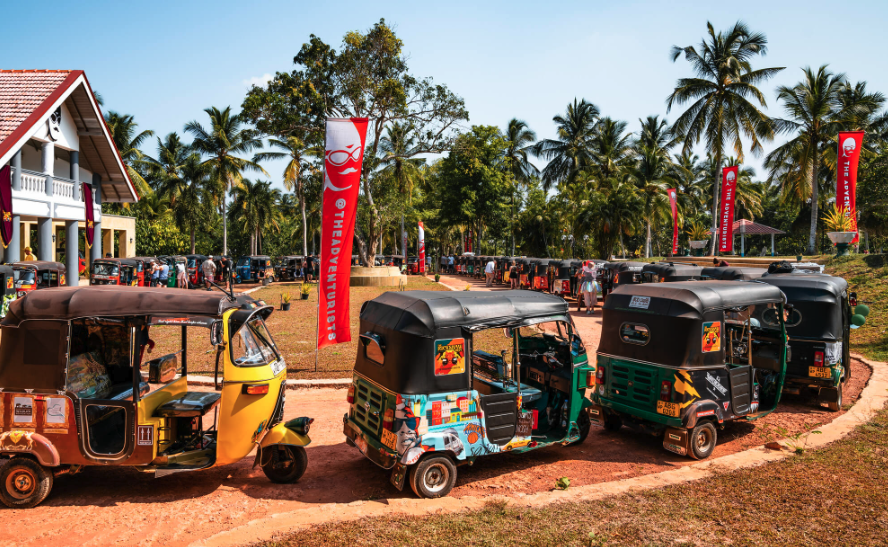
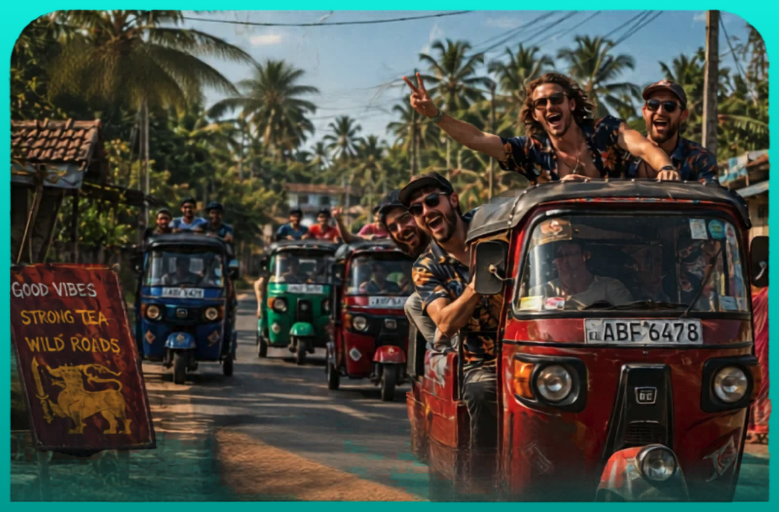
Heat. Horns. Tea country. Wrong turns. Roadside snacks. Sudden rain. A team flag snapping above a machine that has no business being this far from home.
It is scrappy, active, collaborative, funny, occasionally uncomfortable, and genuinely risky.
It is not a sightseeing tour with a quirky vehicle attached. The rickshaw is the challenge, transportation, punchline, and reason the story works.
This is Hear Me Out in its purest form: story-first chaos with enough grown-up planning to keep a terrible idea from becoming a completely stupid one.
The main event
The run takes about seven days, with two days beforehand for briefings, driving practice, repair basics, paperwork, and team calibration.
Then you launch.
Your crew chooses the route, finds its own accommodation, deals with the machine, and decides whether the interesting road is worth the extra three hours it will almost certainly require.
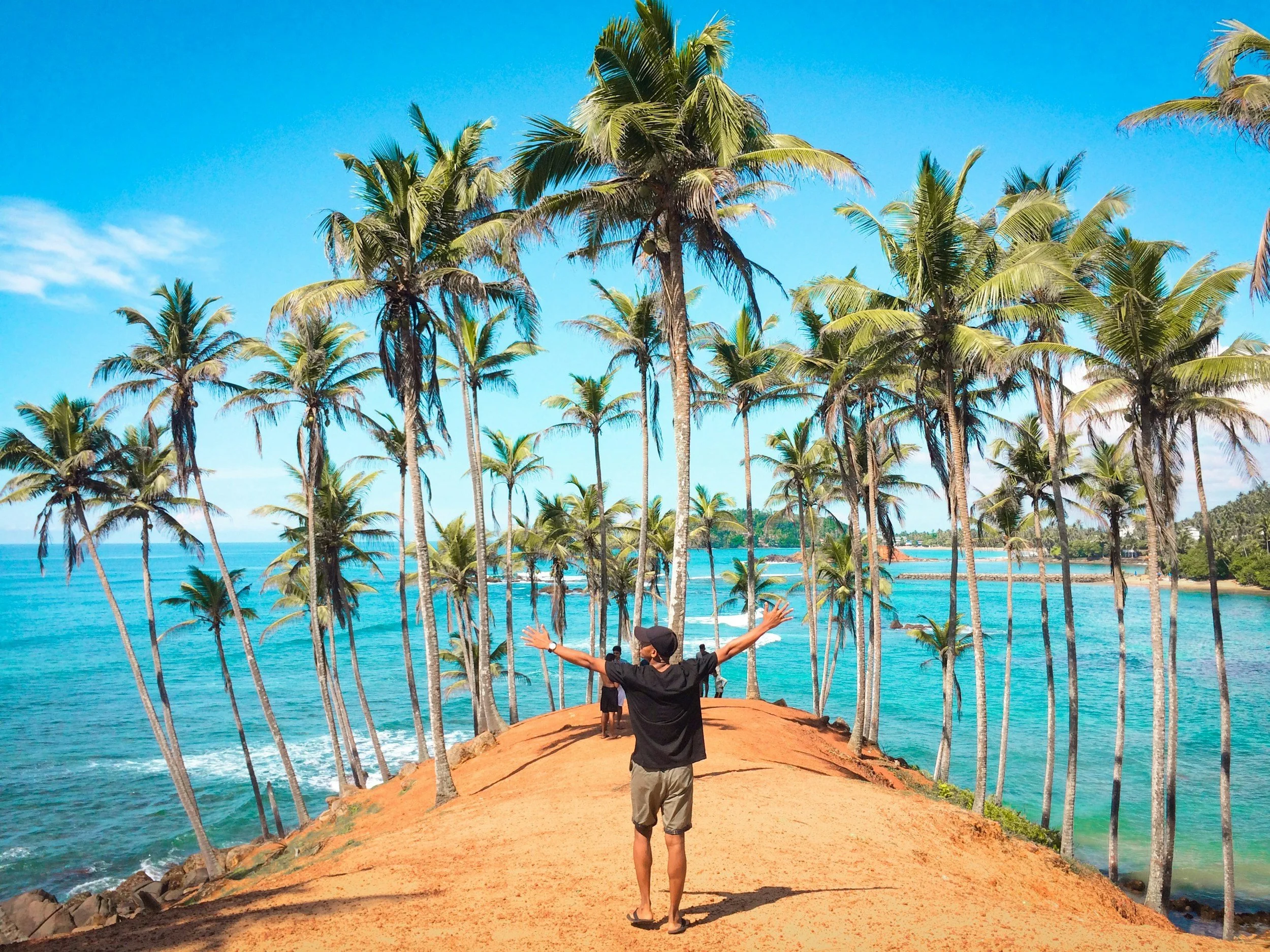
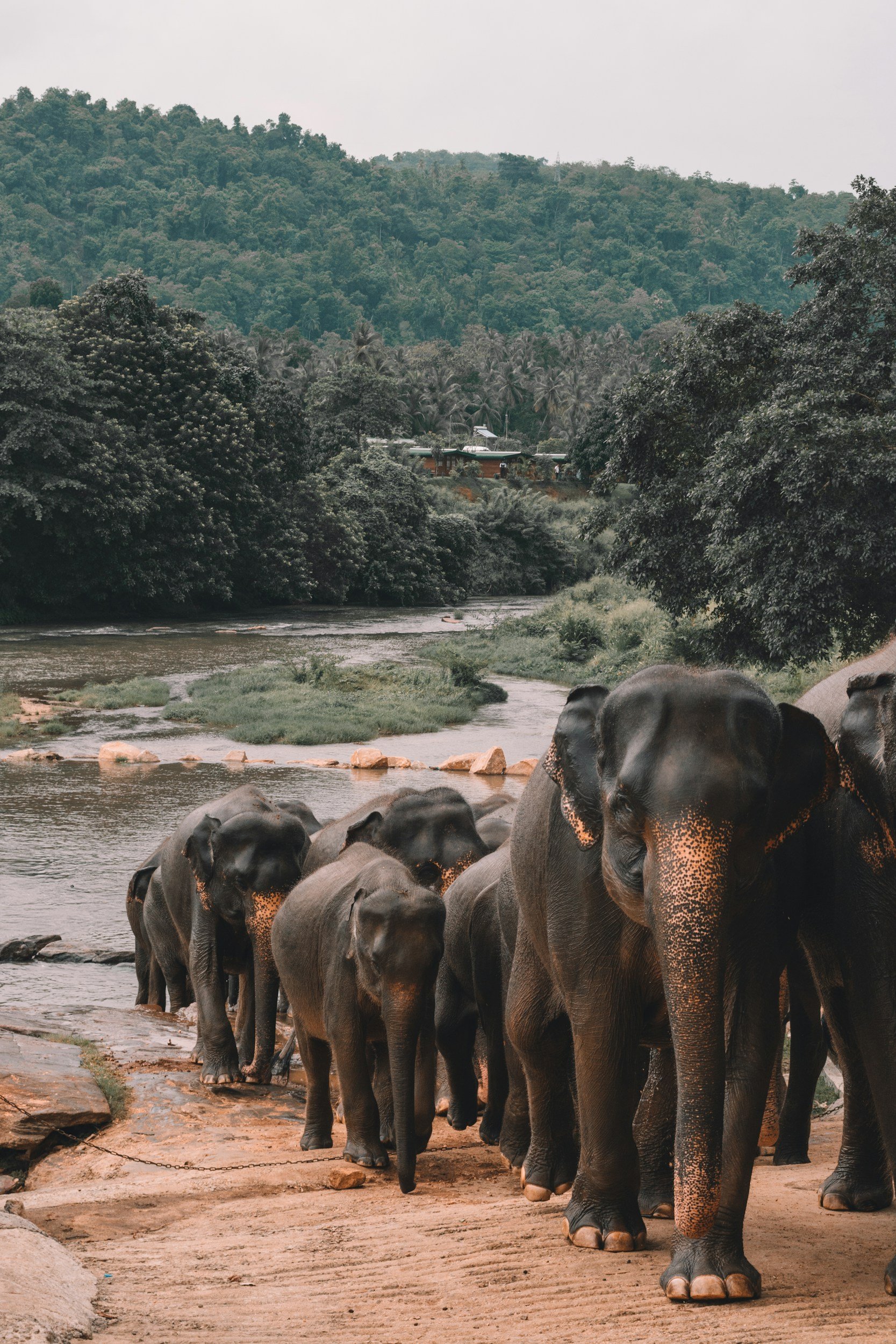
Sri Lanka supplies beaches, forests, highlands, tea plantations, wildlife, busy towns, rural roads, and more sensory input than one tiny windscreen can reasonably contain.
The Rickshaw Run supplies very little certainty.
Perfect.
Do the thing
Arrive early enough to sleep properly, adjust to the time zone, and confirm that every driver has the documents and coverage they actually need.
Take the driving lessons seriously. Learn the repair basics. Make the team flag big, bold, and visible from space.
During the run, follow the road and see where the day takes you. Stop for roadside snacks, take the interesting turn, and find a bed when you decide you’re done driving. The route stays loose because the unexpected bits aren’t interruptions. They’re the whole damn adventure.
After the finish, stop achieving things. Find a proper bed, do the laundry, eat slowly, and let everyone tell the same story with wildly different facts.
Second Shift rule: Do not make the Rickshaw Run efficient. Make the edges intelligent so the middle can stay gloriously inefficient.
Where the shape matters
The smartest version is longer than the run itself.
You need an arrival buffer before test driving and a soft landing after the finish. Flying halfway around the world and arriving barely in time is not adventurous. It is poor risk management wearing a jaunty hat.
Exact start and finish direction depends on the selected edition and must be confirmed before sale.
A few things worth knowing
This is unsupported. Teams are responsible for route, accommodation, daily decisions, and problems on the road.
The vehicle is slow, exposed, unreliable, and not designed for comfort.
The organizer states plainly that serious injury or death is possible. The jokes cannot make that risk imaginary.
Drivers need the correct car licence, an International Driving Permit, and the required temporary Sri Lankan licence. Motorcycle-only licensing is not enough.
Insurance must cover the actual activity, including driving a three-wheeled auto-rickshaw in Sri Lanka.
Pack light. Three people, their luggage, and a rickshaw is already a physics experiment.
Who is this for?
Friends, couples, siblings, and milestone-birthday crews who would rather collect one legendary story than twelve polished highlights.
Travellers who can make decisions together when they are hot, tired, lost, and still responsible for finding somewhere to sleep.
Unsupported rickshaw crossing. Most people hear that and think, "Absolutely not."
Our people think, "Well... this is going to make one hell of a story."
Who should skip it?
Travellers who need predictable comfort, fixed plans, luxury, rescue logic, or someone else quietly removing every consequence.
Anxious first-time international travellers.
Anyone who cannot tolerate heat, road stress, basic accommodation, uncertainty, or sharing a very small vehicle with other humans.
People who want Sri Lanka with a cute rickshaw photo. The rickshaw is not a garnish.
The Second Shift take
A bad idea becomes a great adventure when the right parts are allowed to stay difficult.
We handle flights, arrival timing, start-line logistics, preparation checkpoints, recovery, and a clean exit. The Rickshaw Run keeps the wrong turns, roadside problem-solving, tiny-engine drama, and magnificent uncertainty.
You bring a crew you trust. Sri Lanka does the rest.
interested?
If this sounds less like a holiday and more like the story your group chat has been training for, see Rickshaws and Ridiculous Decisions.